

Preventive Sports Medicine and Systems Physiology (PSSP) Research Group
Physical Activity, Exercise Therapy, and Vascular Health Across the Lifespan
We investigate how physical activity and exercise therapy can slow, prevent, or counteract vascular and physiological aging across all stages of life. Our work bridges molecular mechanisms, systems physiology, innovative non-invasive imaging, and clinical application. The overarching goal is to better understand how exercise protects the cardiovascular and metabolic system and how this knowledge can be translated into individualized prevention and therapy.
Retinal Microcirculation and Cardio-Oculomics
The eye provides a unique, non-invasive window into systemic health. Retinal vessels allow direct assessment of the human microcirculation and are closely related to the cerebral vasculature, offering insights into vascular and neurovascular processes in the central nervous system. At the same time, the retina is often described as a “window to the heart”, as retinal vascular alterations reflect systemic cardiovascular changes.
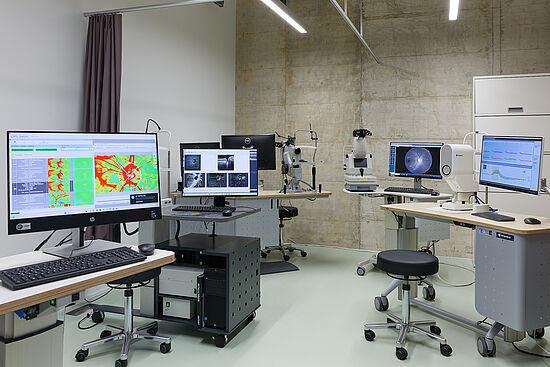
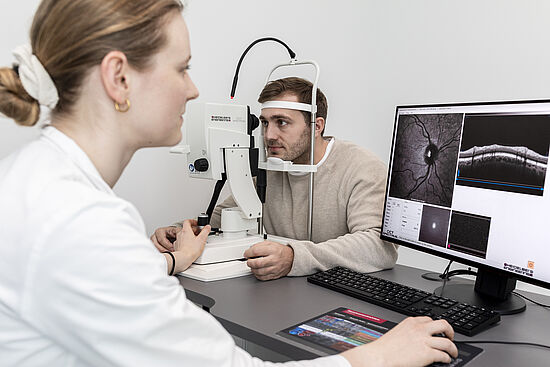
We use a Cardio-Oculomics approach that combines different retinal imaging techniques to obtain a comprehensive picture of vascular health. These include static retinal vessel analysis, dynamic retinal vessel analysis, optical coherence tomography angiography, and laser speckle flowgraphy. Together, these methods provide complementary information on retinal vessel diameters, endothelial function, neurovascular coupling, capillary vessel density, microvascular perfusion, and haemodynamically relevant parameters such as peripheral resistance.
By differentiating between arteriolar and venular compartments, this multimodal approach helps distinguish pre-capillary resistance mechanisms from metabolically driven vascular signals. Retinal imaging therefore has strong potential for early disease detection, cardiovascular risk stratification, and the monitoring of subtle therapy-induced vascular adaptations.
Vascular Physiology and the Exercise Polypill
The vascular system responds to exercise at every level, from large arteries and arterioles to capillaries and venules. Using a systems physiology approach, we examine how physical activity and structured exercise interventions influence vascular, cardiac, autonomic, inflammatory, metabolic, and brain-related aging processes.
Exercise can be understood as an “exercise polypill”: a powerful, multi-target intervention that affects several physiological systems simultaneously. We investigate these effects from epigenetic and molecular mechanisms to whole-body function, with a particular focus on how exercise improves vascular structure, endothelial function, microvascular regulation, and cardiometabolic resilience.
Atherosclerosis and Cardiometabolic Disease
Vascular aging is closely linked to the development of atherosclerosis, beginning with early vascular changes and fatty streaks and potentially progressing to unstable plaques, plaque rupture, and clinical cardiovascular events.
A central focus of our clinical research is the early identification and treatment of cardiometabolic risk conditions, including pre-diabetes, pre-hypertension, obesity-related vascular dysfunction, and reduced physical fitness. By studying the effects of targeted exercise therapy, we aim to support healthy aging, reduce disease progression, and improve long-term quality of life.
Translational Exercise and Vascular Medicine
Our research combines basic science in exercise and vascular physiology with applied clinical exercise therapy. We use innovative, non-invasive imaging technologies and physiological assessments to study how training interventions affect vascular structure and function in different populations.
This integrative approach is relevant for the prevention, early detection, and treatment of cardiovascular, metabolic, neurodegenerative, and inflammatory diseases. By examining the underlying mechanisms within the “human system”, we aim to translate scientific findings into practical prevention and treatment strategies. Ultimately, our work seeks to identify who benefits most from specific exercise interventions, when these interventions should be applied, and how they can be optimized for individual health profiles

©Maria Patzschke / DSBG

©Maria Patzschke / DSBG

©Maria Patzschke / DSBG
©Cartes Fotografie / DSBG
©Maria Patzschke / DSBG
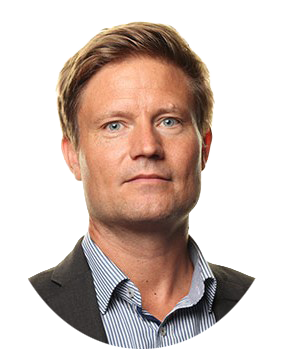
Prof. Dr. med. Henner Hanssen
Head of Department, Preventive Sports Medicine and Systems Physiology Acting Departmental Head